

Categories
Framingham MA, Selling A HomePublished June 24, 2026
Buying and Selling a House at the Same Time in Massachusetts

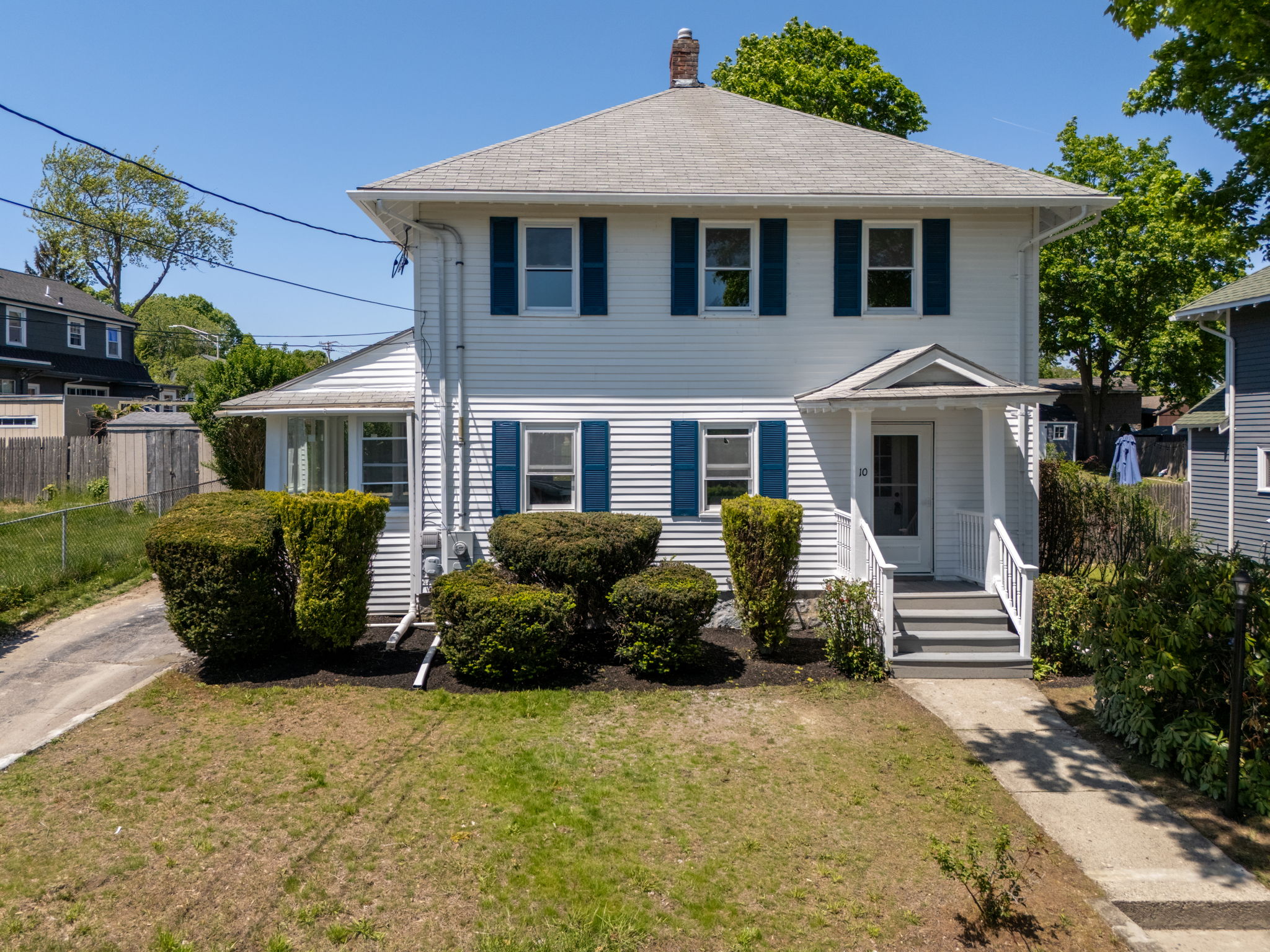
Quick answer: Yes, you can buy and sell a house at the same time in Massachusetts.
The four most common strategies are (1) sell first, then buy, (2) buy first using a bridge loan, (3) make an offer with a sale contingency, and (4) negotiate a rent back agreement. The right choice depends on your home equity, your timeline, and how much short term financial risk you can carry. Choose well and the move feels seamless; choose wrong and you can lose tens of thousands of dollars or scramble for temporary housing.
If you own a home near Boston and need a bigger place, a smaller place, or a different town, you face one of the most stressful puzzles in residential real estate: how do you sell one home and buy another without ending up homeless in between or carrying two mortgages at once?
The VIP Group has guided hundreds of clients through simultaneous buy-sell transactions across Milton, Dedham, Wayland, Maynard, Quincy, Framingham, Braintree, and the Greater Boston area. This guide lays out every major strategy, who each one fits best, and the real tradeoffs in today’s Massachusetts market.
Key Takeaways
- It is doable. Buying and selling at the same time is routine in Greater Boston with the right plan.
- Equity drives your options. Strong equity unlocks bridge loans and clean, non-contingent offers.
- Contingent offers are weakest in hot markets. In competitive towns like Milton and Canton, sellers often reject them.
- Rent-backs and bridge loans let you move once. Both reduce the stress of a hard deadline.
- A single coordinated team prevents most timing disasters. One point of contact keeps both closings aligned.
Why Buying and Selling at the Same Time Is Hard and Why It Doesn’t Have to Be
The core challenge is timing. Your sale and your purchase involve different sellers, different buyers, different attorneys, different lenders, and different closing dates. Any one of those parties can run late, get cold feet, or fall through. When both transactions depend on each other, a single delay can put the whole move at risk.
The solution isn’t to hope everything lines up. It’s to choose a strategy that manages the gap between your two closings and to work with a team that has seen every version of this puzzle before.
The 4 Main Strategies for Buying and Selling Simultaneously in Massachusetts
1. Sell First, Then Buy
You list your current home, accept an offer, and close. You then use those proceeds to make a clean, non-contingent offer on your next home. Between closings, you either move into temporary housing (a short-term rental, family, or a furnished apartment) or negotiate a rent-back from your buyer.
Pros: You know exactly how much you can spend. Your offer is clean and competitive—no sale contingency, which sellers love. You’re never carrying two mortgages.
Cons: Temporary housing costs money and is disruptive. In a fast market you may feel pressure to accept the first home you see because you’re on the clock.
| ✔ Best for: Sellers with strong equity who want maximum buying power and can handle 30–90 days of temporary housing. |
2. Buy First Using a Bridge Loan
A bridge loan is short-term financing typically 6 to 12 months that lets you borrow against your current home’s equity to fund the down payment on your new home before you’ve sold. You close on the new home, move in, then sell your current home and repay the bridge loan from the proceeds.
Pros: You move once. Your offer is not contingent on your sale. You have time to prep and stage your current home properly instead of rushing.
Cons: Bridge loans carry higher interest rates than conventional mortgages (often 1–3% higher) plus origination fees. You temporarily carry more debt, and if your home takes longer to sell, carrying costs add up.
Who offers bridge loans in Massachusetts: Many regional banks and credit unions offer bridge products. We work closely with lenders who specialize in timing-sensitive transactions.
| ✔ Best for: Homeowners with significant equity (typically 30%+), a clear sense of what their home will sell for, and the cushion to carry higher short-term costs. |
3. Make an Offer With a Sale Contingency
You find your next home and submit an offer contingent on closing your current home by a specific date. If your home sells, the deal proceeds. If it doesn’t close by the deadline, you can renegotiate or walk away and reclaim your deposit.
Pros: No double mortgage, no bridge loan costs, lower financial risk.
Cons: In a competitive Massachusetts market, sellers often reject contingent offers or accept them only with a kick-out clause that lets them keep marketing the home. If a better offer comes in, you typically have 24–72 hours to remove your contingency or lose the home.
When it works: Slower markets, motivated sellers, or homes that have been sitting a while. It also works well when your own home is already under agreement and close to closing.
| ✔ Best for: Buyers whose home is listed or under agreement, targeting a home with less competition or a seller who values certainty over speed. |
4. Negotiate a Rent-Back Agreement
You sell and close. Handing the deed to the buyer and then rent the home back from them for a negotiated period, typically 30 - 60 days in Massachusetts. You use that window to close on your new home and move without a hard deadline.
Pros: You have sale proceeds in hand (removing financing risk on the buy side), you can make a clean offer, and you keep a roof over your head during the transition.
Cons: The buyer has to agree, and some won’t. The rent rate is negotiated (usually the buyer’s carrying costs or fair market rent), and most Massachusetts lenders cap rent-backs at 60 days for owner-occupied properties.
| ✔ Best for: Sellers whose buyers have flexibility, where the rent-back period covers a realistic timeline to close on the new purchase. |
Side-by-Side Comparison of the 4 Strategies
| Strategy |
Financial Risk |
Offer Strength |
Disruption |
Best Market Fit |
| Sell first, then buy |
Low |
High (clean offer) |
High (temp housing) |
Any market |
| Buy first with bridge loan |
Medium |
High (clean offer) |
Low (one move) |
Strong-equity owners |
| Offer with sale contingency |
Low |
Low to medium |
Low |
Slower / buyer-friendly |
| Rent-back agreement |
Low |
High (clean offer) |
Medium |
Flexible buyer pool |
How VIP Group Makes This Work
Most agents handle either the buy side or the sell side and hand you off for the other half. VIP Group operates differently. We coordinate both sides of your move from a single point of contact, working in parallel with your lender, attorneys, and vendors so your timelines align before you’re locked into anything.
Here’s what that looks like in practice:
- Market analysis before you decide. We run the numbers on your current home—realistic sale price and net proceeds after costs—so you know your true budget before you fall in love with anything.
- Parallel preparation. While we list your current home, we’re also identifying target homes so you can move fast when the right one hits the market.
- Lender coordination. We connect you with lenders who understand bridge financing and timing-sensitive purchases in Greater Boston—no cold calls, no starting from scratch.
- Vendor pipeline. Cleaners, stagers, photographers, and movers are pre-vetted and ready on your timeline, not a 6-week booking calendar.
- One call, two transactions. A single point of accountability. If something shifts on either side, we know immediately and adjust before it becomes a crisis.
This is what it means for VIP Group to be the gold standard in Greater Boston real estate, not just completing deals, but managing complexity so our clients never have to feel it.
What Buyers and Sellers in Milton, Dedham, Canton & Westwood Should Know Right Now
These four towns sit in one of the most competitive sub-markets in Greater Boston. Inventory tends to be tight, and well priced homes in strong school districts routinely attract multiple offers, so contingent offers are harder to win here than in many other areas. If you’re moving up within this corridor, say, from a condo in Quincy to a single family in Canton, a bridge loan or sell-first strategy will almost always position you better than a contingency.
If you’re moving out of this corridor, downsizing to the South Shore or a 55+ community you may have more negotiating flexibility, and a contingency could make sense depending on the property.
VIP Group serves all four towns extensively and can give you a ground-level read on what’s working for buyers and sellers right now, not what worked six months ago.
5 Questions to Ask Before You Choose a Strategy
- What is my realistic net equity after commissions, taxes, and closing costs? This is your actual buying power—not your Zillow estimate.
- Can I qualify for a mortgage on the new home while still carrying the old one? Your lender needs to answer this specifically, not generally.
- How long will my current home realistically take to sell? VIP Group can give you a data-backed answer, not a guess.
- How flexible is my timing? If a school year, job start date, or lease expiration is involved, your window is smaller than you think.
- How competitive is the market where I’m buying? The harder it is to win an offer, the more important it is to remove contingencies.
Frequently Asked Questions
Can you buy a new house before selling your current one in Massachusetts?
Yes. The most common options are a bridge loan to cover the gap, a home equity line of credit (HELOC) for the down payment, a rent-back agreement on your current home after closing, or an offer with a sale contingency. Each carries a different mix of risk and cost depending on your equity position and how competitive your target market is.
What is a bridge loan and how does it work in Massachusetts real estate?
A bridge loan is short term financing, usually 6 to 12 months, that lets you borrow against the equity in your current home to fund the down payment on a new one before your existing home sells. You close on and move into the new home, then repay the bridge loan from the proceeds once your old home sells. In Massachusetts, bridge loans typically carry interest rates 1–3% higher than conventional mortgages plus origination fees, so they fit best for owners with significant equity (often 30%+) and the cushion to carry higher short term costs.
What is a sale contingency in a real estate offer?
A sale contingency is a clause that makes your offer on a new home dependent on selling your current home by a set date. If your home doesn’t close in time, you can renegotiate or withdraw and recover your deposit. It protects you from owning two homes at once, but it weakens your offer in competitive Massachusetts markets, sellers frequently reject contingent offers or accept them only with a kick-out clause that lets them keep showing the property and give you 24–72 hours to drop the contingency if a better offer arrives.
What is a rent back agreement and when does it make sense?
A rent back (or post-closing occupancy) agreement lets you sell and close on your current home, then rent it back from the buyer for a negotiated period, typically 30 to 60 days in Massachusetts. It makes sense when you want sale proceeds in hand to make a clean, non-contingent offer on your next home but need a little more time to close and move. The buyer must agree, the rent is usually based on their carrying costs or fair market rent, and most lenders cap owner occupied rent backs at 60 days.
Should I sell first or buy first in the Greater Boston market?
It depends on your equity and the competitiveness of your target market. Sell first if you want maximum certainty and buying power and can handle temporary housing, this is the safest path in any market. Buy first (with a bridge loan or rent-back) if you have strong equity and want to move only once, which is often the better choice in tight, competitive towns like Milton, Canton, and Westwood where contingent offers struggle to win. A quick equity and timeline review with VIP Group will point to the right answer for your situation.
Ready to Model Both Paths?
| The VIP Group coordinates buy-sell transactions across Greater Boston from Milton and Dedham to Wayland and Framingham. Let us run the numbers for your specific situation before you commit to a strategy. |

Kerri Mulvey
Realtor® | Kerri Mulvey | Moor Realty Group
or another way