

Categories
Inherited House, Selling A HomePublished July 15, 2026
Fix It or Sell As-Is? Getting Real About Inherited Homes

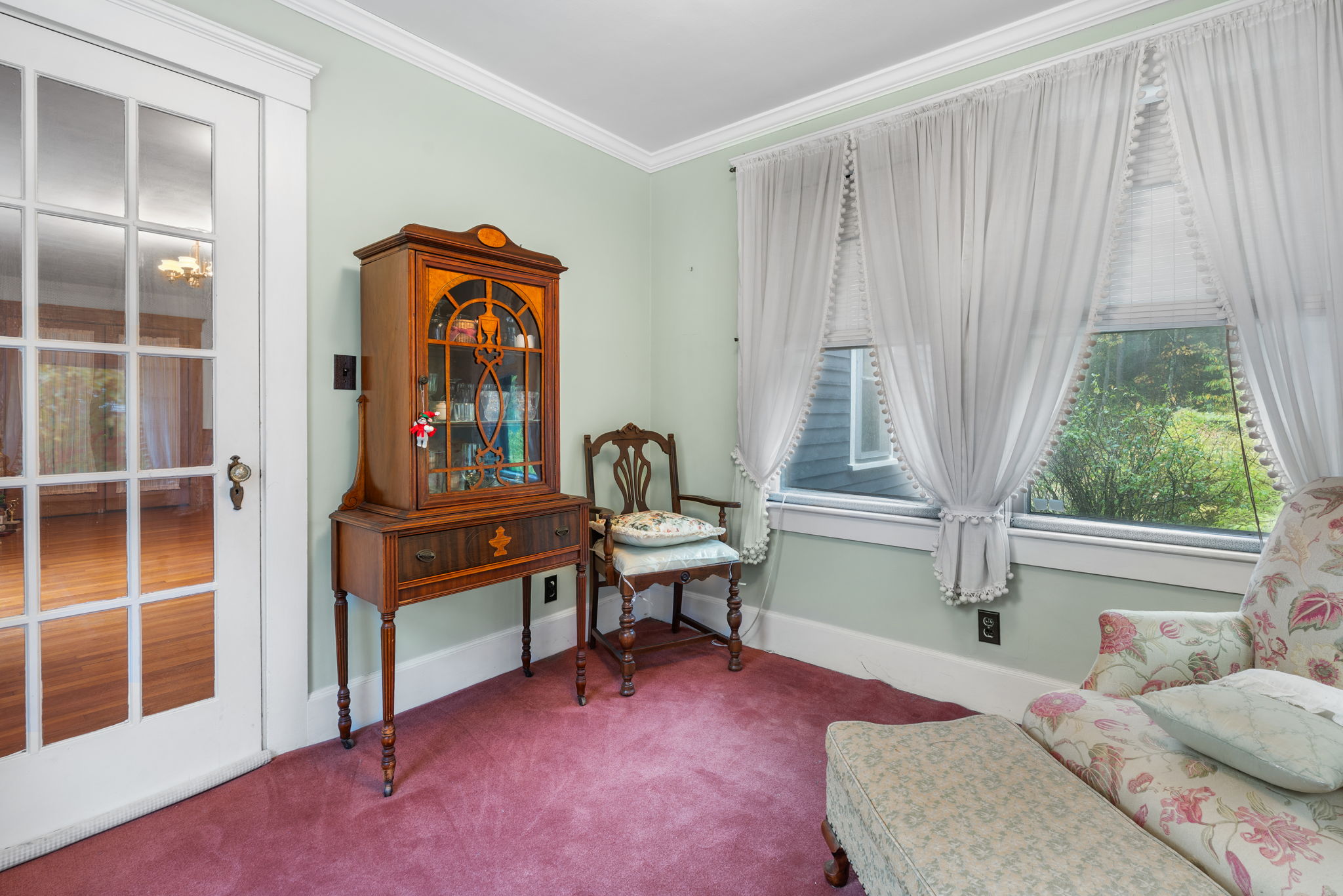
A practical comparison of updating, listing as-is, and taking the investor route — for families inheriting homes across Greater Boston, the South Shore, and Metro West.
Quick Answer
When you inherit a house, you have three realistic options: (1) update it and list on the open market for the highest possible price, (2) list it as-is and let buyers price in the work, or (3) sell directly to an investor for speed and certainty. The right choice depends on the home's condition, how fast you need to close, whether the estate has cleared probate, and your tolerance for managing repairs. Because of the step-up in basis, most heirs owe little or no capital gains tax if they sell soon after inheriting — which makes the decision more about logistics and net proceeds than taxes.
Inheriting a home is rarely just a real estate transaction. It usually arrives alongside grief, a long to-do list, and siblings or co-heirs who may not all agree on what to do next. Add a property that hasn't been updated in decades, and the question becomes urgent: do you pour money into repairs, sell it exactly as it sits, or hand it to an investor and walk away clean?
We're Krista Recker and Kerri Mulvey of VIP Group, and we've guided dozens of families through exactly this decision in Quincy, Braintree, Maynard, Framingham, and the surrounding South Shore and Metro West communities. This guide lays out all three paths honestly — including the math, the timelines, and the trade-offs most people don't find out about until they're halfway through.
The Three Ways to Sell an Inherited House
Before comparing details, it helps to see the three paths side by side. Each one trades something: money, time, or effort — for the others.
| Factor |
Update & List |
List As-Is |
Sell to Investor |
| Typical net price |
Highest |
Moderate |
Lowest (below market) |
| Time to close |
2–4 months+ (incl. repairs) |
30–60 days |
7–21 days |
| Upfront cash needed |
High (repairs, staging) |
Low |
None |
| Your effort |
High |
Low–moderate |
Minimal |
| Certainty of sale |
Market-dependent |
Market-dependent |
Very high |
| Best when… |
Home shows well with modest work; strong local market |
You want market exposure without renovating |
Speed, privacy, or condition rule out a traditional listing |
Option 1: Update the Home and List It
Updating before listing is the path to the highest sale price — when it makes sense. In competitive South Shore and Metro West neighborhoods, a clean, move-in-ready home consistently outsells a dated one by more than the cost of the improvements. But "updating" doesn't mean a full gut renovation. The goal is targeted, high-return work, not perfection.
What's usually worth doing
- Cosmetic refresh: paint, flooring, fixtures, and deep cleaning return the most per dollar spent.
- Kitchens and baths: light updates (hardware, counters, refinishing) rather than full remodels.
- Curb appeal and decluttering: landscaping, removing decades of belongings, and staging the key rooms.
- Health-and-safety items: anything that would derail an inspection — roof leaks, electrical, the MA-required smoke and CO certificate.
The catch: repairs cost money the estate may not have on hand, take time to coordinate, and often require sign-off from every heir. If the family is out of state or the home needs major systems work, the effort can outweigh the upside. This is where an honest, room-by-room walkthrough with an agent who knows local buyer expectations saves you from over-improving.
Option 2: List It As-Is on the Open Market
Selling as-is means listing the home in its current condition and letting the market price the needed work. You still get full exposure — MLS, online portals, open houses, and competing offers — without spending a dime on renovations. "As-is" is a contract term, not a discount sticker: it simply tells buyers you won't be making repairs.
In a healthy market like much of Greater Boston, as-is listings can still attract strong offers, especially from buyers who want a project or see upside. The trade-off is that buyers discount for uncertainty and tend to negotiate hard after inspection. Pricing and presentation become everything: even an as-is home should be clean, photographed well, and priced to reflect its true condition.
As-is works best when
- The home is structurally sound but dated, and you don't want to manage contractors.
- You'd rather keep your cash and let the buyer fund improvements.
- You want broad market exposure and competing offers, just without the renovation step.
| Massachusetts note: "As-is" does not remove your duty to disclose known material defects, and buyers in MA almost always do an inspection. A seasoned agent uses the inspection strategically rather than letting it blow up the deal. |
Option 3: Sell Directly to an Investor
The investor route trades top dollar for speed and simplicity. Cash investors and "we buy houses" buyers purchase the property directly, often closing in one to three weeks with no financing contingency, no repairs, no staging, and sometimes letting you leave unwanted belongings behind. For an out-of-state heir, a home that needs serious work, or a family that simply wants to be done, that certainty has real value.
The cost is the price. Investors need a margin, so offers typically come in below open-market value — frequently meaningfully so. Some operators also use high-pressure tactics or quietly assign the contract to another buyer at a markup. The investor path can absolutely be the right answer; it just deserves a clear-eyed comparison against what a quick as-is listing might net after costs.
The investor route shines when
- You need to close fast — a looming tax bill, mortgage, or family timeline.
- The home needs more work than the estate can fund or manage.
- Privacy matters and you'd rather skip showings entirely.
Our advice: never accept the first unsolicited offer without a second opinion. We're happy to tell you when an investor offer is genuinely competitive and when listing for even ten days would likely net you more.
The Massachusetts Money Facts That Change the Math
Heirs often assume a big tax bill is coming. Usually, it isn't but the details matter, and they're specific to Massachusetts. Here's what actually affects your bottom line. (None of this is tax advice; confirm specifics with your CPA or estate attorney.)
Step-up in basis — usually your biggest break
When you inherit a home, its cost basis "steps up" to the fair market value on the date of death — not what the original owner paid. So if your parents bought their Quincy home for $90,000 decades ago and it's worth $700,000 today, that lifetime appreciation is generally never taxed to you. If you sell soon after inheriting, your taxable gain is only the appreciation since the date of death, which is often near zero.
Capital gains — only on post-inheritance gain
Inherited property automatically qualifies for long-term capital gains treatment (0%, 15%, or 20% federally depending on income). Because of the step-up, many heirs who sell promptly owe little to nothing. Wait years while the home appreciates — or rent it out — and the calculation changes.
Massachusetts estate tax — a separate, lower bar
Massachusetts taxes estates above $2 million (the exemption was raised from $1M in 2023). That's far below the federal exemption of roughly $15M, so families who owe nothing to the IRS can still owe Massachusetts. This is an estate-level issue handled before assets distribute — but it's worth knowing if the estate is sizable, because it can affect how quickly the family wants to liquidate the house.
Probate timing
In most cases the home can't be sold until the estate has legal authority to convey it. Under Massachusetts' Uniform Probate Code, informal probate can move relatively quickly, but clear title and proper authority are non-negotiable before closing. We coordinate with your attorney so the listing timeline lines up with the legal one.
How to Decide: A Simple Framework
- Assess condition honestly. Is this cosmetic (paint, carpet, dated kitchen) or structural (roof, systems, foundation)? Cosmetic favors updating or as-is; structural often favors as-is or investor.
- Define your timeline. Need to close in two weeks, or can you wait two months for a higher price? Speed pushes you toward an investor; patience rewards listing.
- Count the cash and the hands. Does the estate have money for repairs, and is someone local able to manage them? No to both points toward as-is or investor.
- Get the heirs aligned. Every decision-maker should agree on the goal — max price vs. max speed vs. minimum hassle — before the home hits the market.
- Run the net numbers, not the headline price. Compare estimated net proceeds across all three paths after repairs, carrying costs, commissions, and time. The highest sticker price isn't always the most money in your pocket.
Why Families Across Greater Boston Work With VIP Group
Selling an inherited house is as much an emotional process as a financial one, and the right guidance changes the outcome. Krista Recker and Kerri Mulvey of VIP Group specialize in helping families navigate inherited and estate-sale properties across the South Shore and Metro West — including Quincy, Braintree, Wayland, Maynard, and Framingham.
What that looks like in practice:
- A no-pressure walkthrough that tells you honestly which repairs are worth it — and which aren't.
- A real net-proceeds comparison of updating, listing as-is, and accepting an investor offer, so you can see the actual dollars side by side.
- Coordination with your attorney and CPA so the sale lines up with probate and tax realities.
- A vetted network of cleanout crews, contractors, stagers, and — when it's truly the best move — credible cash buyers, so you're never negotiating alone.
Our goal is simple: help you make the most informed decision for your family and walk away with the most money, the least stress, and a clear conscience.
| Inherited a home and not sure what to do next? Let's talk it through. No pressure, no obligation. Krista Recker and Kerri Mulvey of VIP Group will walk the property with you, run the numbers on all three paths, and give you a straight answer on what nets your family the most. Reach out to VIP Group today to schedule your free, confidential inherited-home consultation. |
Frequently Asked Questions
Do I have to pay capital gains tax when I sell an inherited house?
Usually very little, if you sell soon after inheriting. The home's basis steps up to its fair market value on the date of death, so you're only taxed on appreciation after that point — often near zero for a prompt sale. Confirm your situation with a CPA.
Can I sell an inherited house before probate is finished?
Generally the estate needs legal authority to convey the property before closing. In Massachusetts, informal probate can move quickly, and you can often prepare and even market the home while the process completes. We coordinate the listing timeline with your attorney.
Is it better to sell an inherited home as-is or fix it up first?
It depends on condition, your timeline, and available cash. Cosmetic issues in a strong market often reward modest updates; major repairs, tight timelines, or out-of-state heirs frequently favor selling as-is or to an investor. Compare net proceeds, not just sale price.
How fast can I sell an inherited house to an investor?
Cash investors often close in 7 to 21 days with no repairs or financing contingencies. The trade-off is a below-market price, so it's worth comparing against what a quick as-is listing might net.
What if my siblings and I disagree about selling?
This is common. The key is aligning on the shared goal — highest price, fastest sale, or least hassle — before listing. A neutral agent who lays out the options and the numbers can help co-heirs reach a decision everyone can live with.
Does selling 'as-is' mean I don't have to disclose anything?
No. In Massachusetts, as-is means you won't make repairs, but you must still disclose known material defects. Buyers typically still inspect. A good agent manages inspection negotiations so the deal stays on track.

Kerri Mulvey
Realtor® | Kerri Mulvey | Moor Realty Group
or another way