

Categories
Selling A Home, Inherited HousePublished July 22, 2026
Selling a Vacant Home? What to Check First

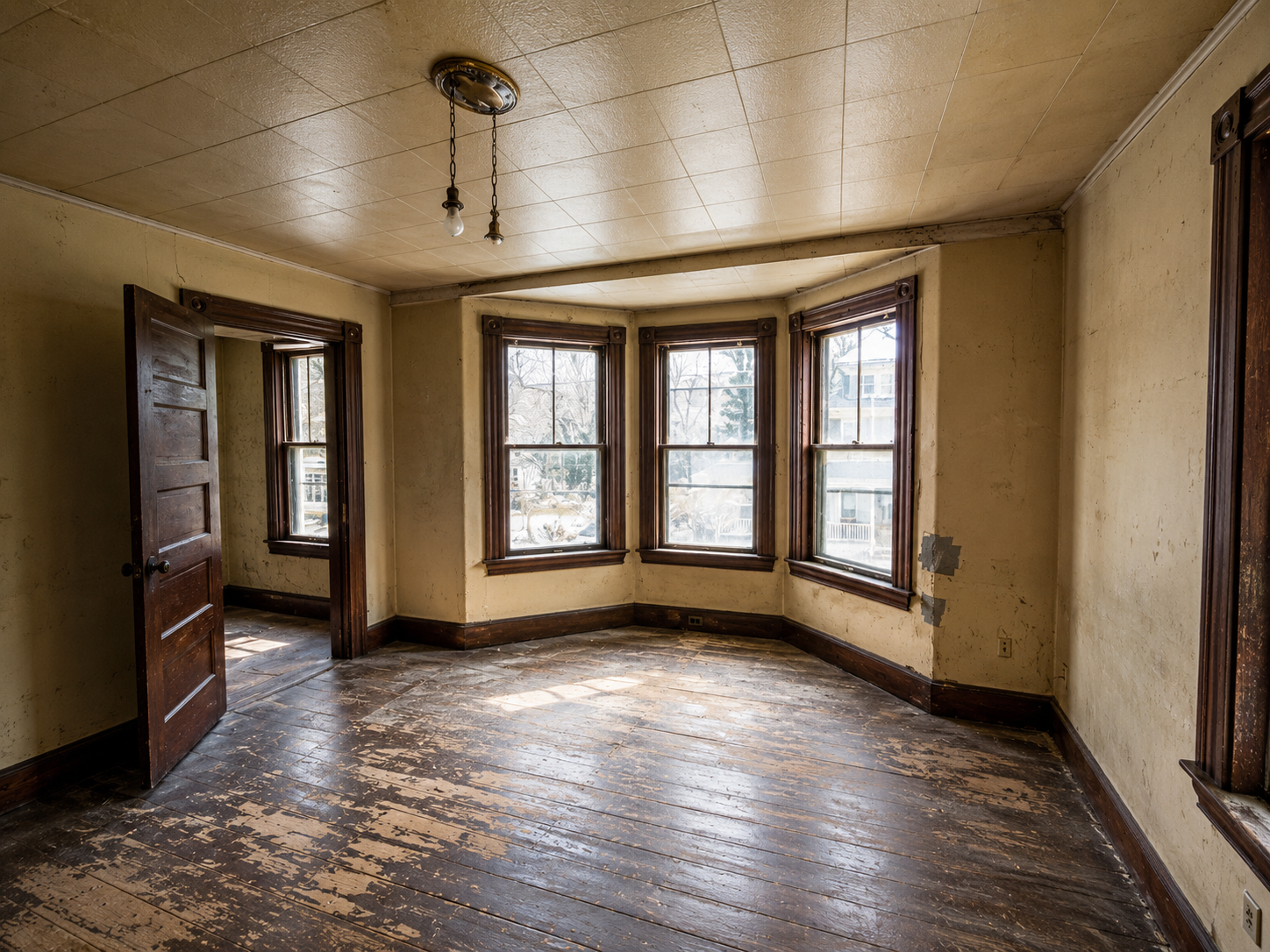
A house that has sat empty for months, or years, holds surprises, and not the good kind. Whether the property came to you through an inheritance, a move, or a long probate process, a vacant home needs a careful once over before it hits the market. At VIP Group at Moor Realty, we regularly help owners across Dedham, Maynard, Ashland, Wayland and Greater Boston get vacant properties sale ready without nasty last minute discoveries.
Here is a practical walkthrough of what to check, in the right order, before you list a long-vacant home.
Why Vacant Homes Need Extra Attention
Homes are meant to be lived in. When a property sits empty, the small maintenance that owners do without thinking, running water, catching a drip, noticing a smell, adjusting the heat, simply stops. Over time, minor issues quietly become major ones. Pipes can freeze and burst, moisture can lead to mold, pests can move in, and systems can seize up from disuse.
This is especially relevant with older housing stock in towns like Dedham and Maynard, where charming, established homes may have aging plumbing, heating, and electrical systems that do not respond well to being left idle. A thoughtful pre-sale check protects both your sale price and your peace of mind.
Step 1: Turn the Utilities Back On and Test Everything
If the power, water, or gas were shut off, the first move is to restore service before you do anything else. You cannot properly evaluate a home whose systems you cannot turn on. Once utilities are back on, test methodically:
- Water: check every faucet, toilet, and visible pipe for leaks, low pressure, or discoloration after sitting.
- Heating and cooling: run the furnace, boiler, or AC and listen and smell for trouble, especially before winter showings.
- Electrical: test outlets, switches, and the panel; flickering or dead circuits deserve a closer look.
- Water heater and appliances: confirm they still function after a long idle stretch.
Turning systems back on often reveals problems immediately, which is exactly what you want, before a buyer's inspector finds them for you.
Step 2: Get Ahead of Inspection Issues
In a vacant home, the smart play is to find problems before the buyer does. Consider a pre-listing inspection so you are not caught off guard by an issue that could derail a deal or trigger a steep price renegotiation later.
Common trouble spots in long-vacant homes include:
- Water damage and mold from small leaks that went unnoticed for months.
- Pest and rodent intrusion, including damage to insulation, wiring, and woodwork.
- Roof and gutter deterioration and resulting moisture in attics or basements.
- Dry, cracked plumbing seals and failed sump pumps in basements.
- Stale odors, which buyers often read, fairly or not, as a sign of deeper problems.
Knowing about these issues in advance gives you options: repair them, price for them, or disclose and market accordingly. In Ashland and across MetroWest, well-prepared vacant listings consistently outperform neglected ones that leave buyers guessing.
Step 3: Address Safety and Security
Vacant homes are more vulnerable, both to hazards inside and to problems from outside. Before listing and showing, make the property safe to walk through and secure against trouble.
- Safety: look for trip hazards, unstable stairs or railings, and test smoke and carbon monoxide detectors, which Massachusetts requires to be compliant at the time of sale.
- Security: confirm doors and windows lock, and consider a lockbox and basic monitoring while the home is on the market.
- Exterior: clear walkways and overgrown landscaping, which also happens to boost curb appeal.
- Insurance: make sure you carry appropriate coverage, since standard policies can limit protection on homes vacant beyond a certain period.
That last point catches many owners by surprise. If you have inherited a vacant home, confirm your coverage situation early so a gap does not become an expensive problem mid-sale.
Step 4: Price It Right for Its Real Condition
Once you know the property's true condition, you can price it honestly, and that is where a vacant-home sale is won or lost. Pricing based on what the home used to be, or on updated comparables that do not reflect its current state, leads to stale listings and lowball offers.
You generally have three pricing paths, mirroring your options on any dated property: sell fully as-is to investors and renovation-minded buyers, make targeted repairs and price closer to updated comparables, or land somewhere in between. The right choice depends on the scope of what you found in Steps 1 through 3 and how quickly you want to move.
Vacant and inherited homes are a core part of what VIP Group handles across Greater Boston. We help owners weigh repair and list against sell as-is with real local numbers, so the price reflects reality and the home does not sit even longer.
A Quick Pre-Sale Checklist for a Vacant Home
- Restore utilities and test water, heat, electrical, and appliances.
- Consider a pre-listing inspection to surface issues early.
- Check for water damage, mold, pests, and roof or basement moisture.
- Handle safety: detectors, stairs, locks, and security while listed.
- Confirm vacant-home insurance coverage is in place.
- Price to the home's real, current condition, not its past or its potential.
Frequently Asked Questions
What should I check before selling a house that has been vacant for a long time?
Start by restoring utilities and testing the water, heating, electrical, and appliances. Then look for water damage, mold, and pests, address safety items like detectors and locks, confirm your insurance covers a vacant home, and finally price the property to its true current condition. Tackling these in order prevents unpleasant surprises during a buyer's inspection.
Do I need an inspection before selling a vacant home near Boston?
It is not required, but a pre-listing inspection is often worthwhile for a vacant property. Finding problems before a buyer's inspector does lets you decide whether to repair, disclose, or price for them, rather than scrambling to renegotiate after an offer is already on the table. The VIP Group can also walk through the property with you and point out potential issues, so you know what you're working with before the home goes on the market.
Can I sell a vacant house as-is in Dedham, Framingham, Maynard, or Wayland?
Yes. Selling as-is is a common and often smart choice for long-vacant homes, especially when repairs are extensive. There is steady demand from investors and renovation-minded buyers across Greater Boston, and VIP Group can help you compare selling as-is against making targeted improvements.
Does my insurance still cover a home that has been empty for months?
Not always. Many standard homeowner policies limit or reduce coverage once a home has been vacant beyond a set period, often around 30 to 60 days. If you have inherited or are holding a long-vacant home, confirm your coverage with your insurer early so you are not exposed during the sale.
Talk It Through With The VIP Group
Every property and every timeline is different. VIP Group at Moor Realty helps owners across Framingham, Quincy, Dedham, Maynard, Ashland, Wayland and the wider Greater Boston area weigh their options with clear numbers and no pressure. Whether you want to sell as-is, make targeted improvements, or simply understand what your property is worth today, we will walk you through it step by step.
Reach out to VIP Group at Moor Realty for a no-obligation consultation, and let's find the path that fits your goals and your timeline.

Kerri Mulvey
Realtor® | Kerri Mulvey | Moor Realty Group
or another way