

Categories
Inherited House, Selling A HomePublished June 26, 2026
Selling an Inherited Condo: A Step-by-Step Guide Association Rules, Clean-Out, Timing & Your Cash Offer Option in Greater Boston

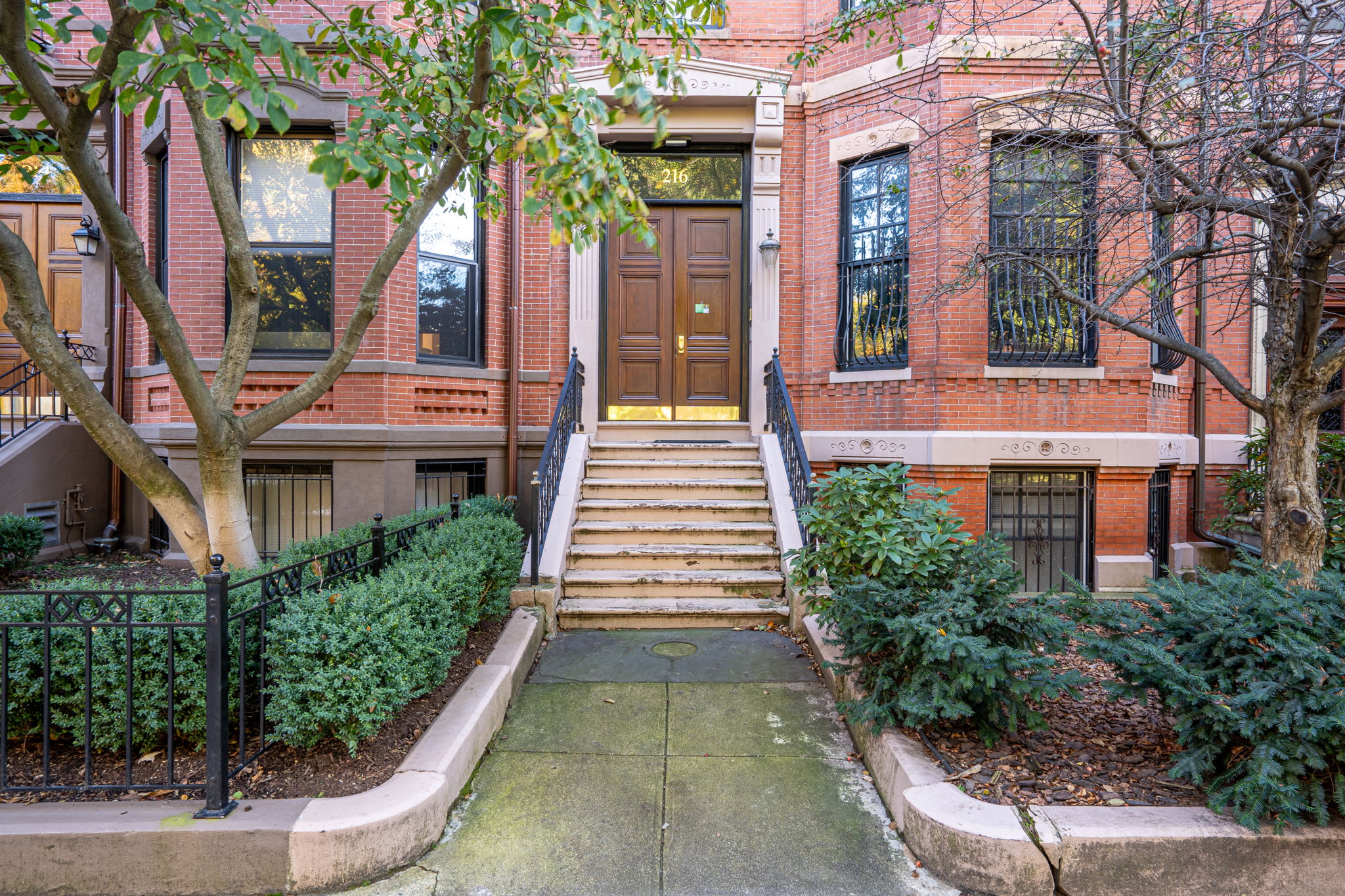
Quick Answer: To sell an inherited condo in Massachusetts you generally: (1) confirm your legal authority through probate, (2) contact the condo association for fees, rules, and a 6(d) certificate, (3) clean out and assess the unit, (4) choose your path: list on the open market for top dollar, or accept a cash, as-is offer for ease and certainty (5) close and distribute proceeds to the heirs. The right path depends on the condo's condition, the association's health, and how fast the estate needs to be settled.
Inheriting a condominium is rarely just a financial event — it usually arrives alongside grief, a stack of paperwork, and a monthly condo fee that keeps coming due whether or not anyone is living there. Condos also carry a layer of complexity that single family homes don't: a condo association, master insurance, special assessments, rental and other restrictions, and a Massachusetts-specific document called a 6(d) certificate that can stop a closing in its tracks. This guide walks you through the entire process step by step, explains the condo-specific issues most heirs don't see coming, and compares listing on the open market against taking a cash offer from an investor as-is.
Krista Recker and Kerri Mulvey of The VIP Group specialize in helping families sell inherited and estate-owned condominiums across Quincy, Braintree, the South Shore, Framingham, Maynard, Ashland, MetroWest, and Greater Boston. We can list a unit for maximum value or connect you with a vetted cash buyer for a fast, as-is sale — and we'll tell you honestly which option fits your situation.
The Step-by-Step Process for Selling an Inherited Condo
Step 1: Confirm your legal authority through probate
Before a condo can be sold, someone must have the legal right to sign for the estate. In Massachusetts that authority comes through probate — the court process that appoints a Personal Representative (formerly called an executor or administrator). If the condo was held in a living trust or with a surviving joint owner, you may be able to skip or shorten probate; if it was held in the deceased's name alone, probate is almost always required before you can convey clear title.
Practical first moves:
- Locate the will and the deed so you know how title was held.
- Petition the Probate and Family Court in the county where the owner lived (e.g., Norfolk County for Quincy and Braintree, Middlesex County for Framingham and Maynard).
- Get certified copies of your appointment — buyers, lenders, and the registry of deeds will ask for them.
Tip: You can do almost everything else on this list in parallel with probate so the unit is ready to sell the moment your authority is confirmed.
Step 2: Contact the condo association — this is the condo-specific part
This is the step that makes an inherited condo different from an inherited house. The association controls information and documents you'll need, and unpaid amounts can attach to the unit. Reach out to the association or its management company early and request the items below.
Key documents and details to request from the association
- Monthly condo fee and payment status. Find out the exact fee and whether the deceased owner was current. Fees keep accruing during probate and a vacant period.
- Outstanding balances, late fees, and liens. Under Massachusetts law (M.G.L. c. 183A), associations have a powerful super-lien for up to six months of unpaid common charges plus collection costs — and it can take priority over the first mortgage. Unpaid fees must be cleared at or before closing.
- The 6(d) certificate. This is a recordable statement from the association certifying what the unit owes. Buyers' lenders require a clean 6(d) certificate to close; the association must issue it within 10 days of a written request, but it's typically ordered once a closing date is set.
- Special assessments — current and upcoming. Ask whether any one-time assessments (new roof, masonry, elevator, deck repairs) have been voted or are being discussed. A pending assessment can affect both price and who pays.
- Master insurance certificate. Confirm the building's policy is active and adequate. Lenders and buyers will want evidence of master coverage.
- Rules on rentals and signage. Some associations restrict rentals, and yard signs. These rules shape how you can market the unit.
- Request meeting minutes and financials. These reveal the financial health of the association — a thinly funded reserve is a red flag that future assessments are likely.
Why it matters: a financially weak association, an open special assessment, or a low owner-occupancy ratio can scare off conventional buyers and their lenders. Knowing this up front lets you price correctly or decide a cash, as-is sale is the smarter route.
Step 3: Clean out and assess the unit
Inherited condos are often full of a lifetime of belongings. The clean out is frequently the most emotionally and physically draining part of the process and in a condo it comes with rules a house doesn't have.
- Secure important items first: wills, financial records, jewelry, photos, and anything other heirs may want.
- Sort into keep / distribute / donate / sell / discard. Estate-sale companies and donation pickups can handle volume quickly.
- Don't toss what might have value. When The VIP Group helps with an inherited home, we can bring in an appraiser to value furniture, art, jewelry, collectibles, and other items that may be worth selling — so heirs don't accidentally give away or discard something valuable.
- Mind the building's rules: elevator reservations, freight access, disposal hours, and signage all apply in condos. You usually cannot leave bulk items at the curb the way you might at a house.
- Don't assume you can rent a dumpster. Many condo associations don't allow dumpsters on the property at all, or restrict where and how long one can sit. That can turn a clean-out into a slow, hauled-out-by-hand project — a problem a house rarely has.
- Keep utilities and the thermostat on so pipes don't freeze in winter and the unit shows well and keep paying the condo fee to avoid liens.
The cash-offer shortcut: if the clean-out feels overwhelming or your association won't allow a dumpster, you don't have to clean out at all. A cash, as-is offer avoids both the clean out and any repairs. Many investor buyers purchase the unit contents and all: you take what you want and leave the rest. We cover this option in detail below.
Step 4: Choose your selling path — open market vs. cash offer
Once you understand the condo's condition and the association's standing, you choose how to sell. There are two main paths, and the right one depends on your goals for price, speed, and effort. The next section breaks them down side by side.
Step 5: Close, settle costs, and distribute proceeds
At closing, the estate conveys the unit, the 6(d) certificate is recorded, any unpaid condo fees and liens are paid from proceeds, and the net is distributed to the heirs according to the will or state law. Your attorney and agent coordinate the payoff of fees, prorated taxes, and the master-insurance details so nothing derails the closing.
On the Market vs. Cash Offer to an Investor (As-Is)
This is the decision most heirs wrestle with. Listing on the open market typically earns the highest sale price, but it takes time, money, and effort. A cash offer from an investor trades some of that price for speed, certainty, and zero work. Here's an honest side-by-side.
| Factor |
List on the Open Market |
Cash Offer to Investor (As-Is) |
| Sale price |
Highest — full market value with competing buyers |
Lower — investor builds in margin for repairs & risk |
| Condition / repairs |
May need paint, updates, or repairs to compete |
None — sold completely as-is |
| Clean-out |
Unit must be emptied & show-ready — and many condos won't allow a dumpster |
Often unnecessary — leave contents behind, no repairs |
| Showings |
Multiple showings, open houses, lockbox |
Usually one walkthrough or group showing |
| Certainty |
Buyer financing & appraisal can fall through |
No financing or appraisal contingency — very high certainty |
| Carrying costs |
Keep paying condo fees, taxes & insurance while listed |
Stops quickly — quick close ends the monthly bleed |
| Best when… |
Unit is in good shape, association is healthy, and you can wait for top dollar |
You want it done fast, the unit needs work, or you're managing the estate from out of state |
The honest tradeoff on net proceeds
It's important to be straight about money: a cash, as-is offer usually nets less than a fully marketed sale. An investor needs room for repairs, holding costs, and profit, so the headline number is lower. But the open-market price isn't pure profit either — subtract repairs, updates, staging, agent and closing costs, and months of condo fees, taxes, and insurance while the unit sits. For a dated unit, a building with a pending special assessment, or an estate that needs to settle quickly, the cash route can come out surprisingly close once those costs and the time value of a fast close are counted. The right answer is specific to your unit — and it's exactly the math we'll run with you, with no pressure either way.
Investors build the probate timeline into the offer
One under appreciated advantage of the cash route: a good investor buyer builds the probate timeline into their offer. Selling estate-owned real estate often requires a license to sell from the Probate Court, which takes time to obtain. Rather than forcing you to rush the court process, an experienced investor structures the offer and closing date around that wait so you can accept now, let the legal steps run their course, and close once the license to sell is in hand. That removes the pressure conventional buyers can't tolerate.
When the cash, as-is option makes the most sense
- Out-of-state heirs who can't manage repairs, showings, and a clean-out from afar.
- Units needing significant work where renovation costs would eat into any market gain.
- Buildings with assessment or financing red flags that make conventional buyers wary.
- Estates under time pressure — multiple heirs, a reverse mortgage payoff, or a need to stop the monthly carrying costs fast.
- Privacy and simplicity — no signs, no open houses, no parade of strangers through a loved one's home.
Selling Inherited Condos Across Greater Boston & the South Shore
Condo dynamics vary by community, and local knowledge matters. Krista Recker and Kerri Mulvey of the VIP Group work with estates and heirs throughout the region:
- Quincy — from waterfront and Marina Bay condos to mid-rise associations near the Red Line; high buyer demand and many self-managed and professionally managed associations.
- Braintree — townhouse-style and garden condos popular with down sizers and commuters near Routes 3 and 93.
- South Shore communities — Weymouth, Hingham, Milton, Randolph and beyond, where condo inventory ranges from 55+ communities to converted multi families.
- Framingham & MetroWest — a deep condo market along the Mass Pike and commuter rail, with associations of every size.
- Maynard — mill-conversion lofts and smaller associations that need an agent who understands unique buildings.
- Greater Boston — high-rise, brownstone-conversion condos and multi families, where zip code matters
- Ashland — townhouse associations and converted multi-families to 55+ communities near the Commuter Rail with both self-managed and professionally managed associations.
Whether your inherited unit is a Quincy high-rise, a Braintree townhouse, a Framingham garden condo, or a Maynard loft, we know the buildings, the buyers, and the cash investors active in your area.
Frequently Asked Questions
Do I have to go through probate to sell an inherited condo in Massachusetts?
Usually yes, if the condo was titled in the deceased owner's name alone. Probate appoints a Personal Representative with authority to sign. If the unit was in a trust or held jointly with right of survivorship, you may avoid or shorten probate. An estate attorney can confirm quickly.
What is a 6(d) certificate and why does it matter?
A 6(d) certificate is a recordable document from the condo association stating what the unit owes in common fees and assessments. Buyers' lenders require a clean 6(d) certificate to close, and recording it discharges the association's lien. Unpaid fees must be settled at or before closing.
Who pays the condo fees while the estate is being settled?
The estate is responsible for condo fees, taxes, and insurance until the unit sells. These costs keep accruing during probate and any vacancy, which is one reason many heirs prefer a fast, cash, as-is sale to stop the monthly carrying costs.
Can I sell an inherited condo without cleaning it out?
Yes. Many cash and investor buyers purchase units as-is, including any remaining contents. You keep what you want and leave the rest, skipping the clean-out, repairs, staging, and showings entirely.
Will I get less money with a cash offer than by listing?
Typically the headline price is lower with a cash offer, because the investor accounts for repairs and risk. But once you subtract repair, staging, agent, and closing costs, plus months of condo fees, taxes, and insurance during a listing, the gap can narrows. We'll run both scenarios so you can compare net proceeds, not just sticker price.
How fast can a cash sale close?
Cash and investor sales can often close in days to a few weeks because there's no buyer financing or appraisal. You generally pick the closing date that works for the estate.
What if the association has a pending special assessment?
A voted or anticipated special assessment can affect both your sale price and negotiations over who pays it. Disclosing it is required, and it can make conventional buyers cautious — which sometimes makes an as-is cash sale the cleaner path. We'll get the facts from the association before you list.
Do you help heirs who live out of state?
Yes. We regularly help out-of-state Personal Representatives manage everything remotely — from association documents and clean-out coordination to listing or arranging a vetted cash offer — across Quincy, Braintree, the South Shore, Framingham, Maynard, MetroWest, and Greater Boston.
Your Inherited-Condo Resource in Greater Boston
You don't have to figure this out alone. Krista Recker, and Kerri Mulvey of The VIP Group will review your inherited condo, pull the association details, and lay out both options; a full-market listing for top dollar or a fast, cash, as-is offer with no clean-out and no repairs. No pressure, no obligation — just a clear plan and honest numbers.
Contact The VIP Group today for a free, no-obligation consultation and cash offer on your inherited condo.
Serving Quincy • Braintree • South Shore • Framingham • Maynard • MetroWest • Greater Boston • Ashland

Kerri Mulvey
Realtor® | Kerri Mulvey | Moor Realty Group
or another way