

Categories
Inherited HousePublished September 16, 2026
How to Sell an Inherited House in Massachusetts

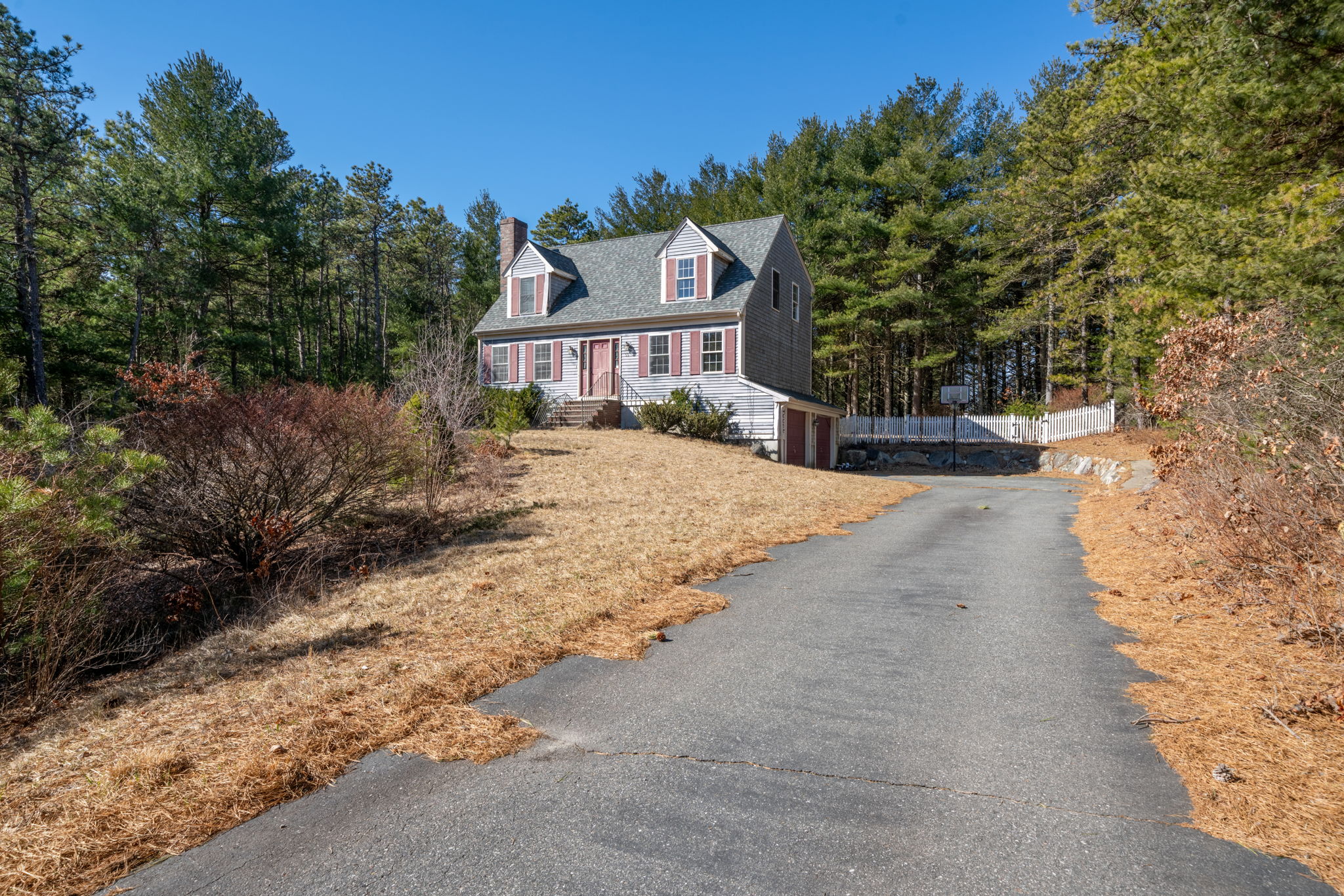
In Massachusetts, you usually cannot close on an inherited house until the estate is opened in Probate and Family Court and a Personal Representative is appointed. For a clean estate with a valid will, that appointment often happens within two to six weeks of filing. From there, most inherited homes sell in 30 to 90 days, faster if you sell as-is, slower if you renovate first. The three decisions that control your outcome are: whether probate is required at all, whether the will grants a power of sale, and whether you fix the house or sell it in its current condition.
If you are reading this from a kitchen table in Framingham or a hotel room three states away, you are probably dealing with two things at once: a legal process you didn't ask for, and a house full of forty years of someone's life. Here is the order to take it in.
Step 1: Find out whether the house needs probate at all
Not every inherited home goes through probate. Before you file anything, pull the deed from the Registry of Deeds (Middlesex South in Cambridge, Norfolk in Dedham, Worcester, Plymouth, Suffolk, whichever county the property sits in). The deed's language decides the path.
Probate is usually NOT required if:
- The deed is held as joint tenants with rights of survivorship or as tenants by the entirety (married couples). Ownership passes automatically to the surviving owner.
- The property was placed in a revocable or irrevocable trust. The trustee sells it, not a Personal Representative.
- A life estate deed was recorded, and the life tenant has died.
Probate IS usually required if:
- The deed says tenants in common, and one owner died.
- The deceased was the sole owner on the deed.
One Massachusetts specific note that surprises people: Massachusetts does not recognize transfer on death deeds for real estate. If you've read a national article telling you to use a TOD deed to skip probate, that tool does not exist here.
Step 2: Get the Personal Representative appointed
Massachusetts operates under the Uniform Probate Code (MUPC). You have two doors:
Informal probate is the faster door. It's handled by a Magistrate without a hearing. You must give written notice to all interested parties at least seven days before filing, and you need the original will and a certified death certificate. Many clean estates get an appointment in two to six weeks.
Formal probate is required when the will is missing or contested, when an heir's whereabouts are unknown, when a minor or incapacitated person has an interest, or when you need a judge to settle a dispute. Budget several months.
The single question that determines your timeline: does the will grant a power of sale?
If the will explicitly gives the Personal Representative the power to sell real estate, you can generally list and sell without returning to court. If it does not or if there is no will at all you will typically need to petition the court for a License to Sell Real Estate, which adds weeks and requires notice to heirs and often a filed purchase and sale agreement.
Also plan for this: Massachusetts gives creditors one year from the date of death to bring claims against an estate. When a sale closes inside that first year, title insurance underwriters frequently ask for extra documentation: affidavits, a license to sell, or an escrow holdback. It is not a dealbreaker. It is a reason to get your closing attorney involved on day one instead of week six.
Step 3: Choose the exit before you spend a dollar
There are three honest paths, and the right one depends on your capital, your calendar, and how many people have to agree.
| Renovate, then list | List as-is on MLS | Off-market as-is cash sale | |
|---|---|---|---|
| Typical timeline | 4–8 months | 45–90 days | 10–30 days |
| Out-of-pocket before closing | $25k–$100k+ | Clean out + carrying costs | Usually $0 |
| Showings & open houses | Many | Many | None |
| Who buys it | Retail buyer with financing | Mix of retail + investors | Direct buyer / investor |
| Best when | Heirs have cash, time, and agreement | House is dated but sound | House is distressed, heirs are remote, or speed matters |
The mistake we see most often in inherited sales is spending $40,000 on a kitchen in a house that also needs a roof, a furnace, and a septic system. Partial renovation on a distressed property rarely returns its cost. Either commit fully or sell the house as the market actually finds it.
Step 4: The Massachusetts items that quietly delay inherited closings
These are the five things that push a "three week close" into six weeks. Start them early.
- Title V septic inspection. If the home is on septic, Massachusetts requires an inspection generally within two years before transfer (three years with documented pumping records). A failed system can mean a $20,000–$50,000 replacement. This is often the largest single variable in a MetroWest or South Shore estate sale.
- Smoke and carbon monoxide detector certificate. For one and two family homes, the seller must obtain a certificate of compliance from the local fire department before closing. Book the inspection early, some departments run two to three weeks out.
- Lead paint disclosure. Any home built before 1978 requires federal lead disclosure.
- Municipal lien certificate and final water/sewer reading. Unpaid taxes, water bills, and betterments attach to the property and get resolved at closing.
- Condo 6(d) certificate. If the inherited unit is a condo, the association must certify that no fees are outstanding.
The part nobody prepares you for: the clean out
Estate clean outs are the emotional and logistical bottleneck, especially when heirs live out of state. A practical sequence that works:
- Week 1 — Documents and valuables only. Deeds, titles, insurance policies, tax returns, safe deposit keys, jewelry, firearms and anything with a serial number.
- Week 2 — Sentimental items. Give each heir a fixed number of picks and a deadline. Open-ended "take what you want" is how estates stall for a year.
- Week 3 — Everything else. Estate sale, donation pickup, junk removal.
If you're selling as-is to a direct buyer, you often don't have to do step three at all. Take what matters and leave the rest, a legitimate as-is purchase includes the contents.
When the heirs don't agree
This is common and it is solvable. If two siblings want to sell and one wants to keep the house, the usual outcomes are: one heir buys out the others at an appraised value, the house is sold and proceeds are split per the will, or if nobody will move, a partition action is filed in court to force a sale. Partition is slow, public, and expensive, and it almost always nets less than a negotiated sale.
A neutral third party valuation early on prevents most of these fights. When everyone is looking at the same number, the conversation stops being about feelings and starts being about math.
Taxes: usually better news than you expect
Inherited property generally receives a stepped-up cost basis to its fair market value on the date of death. If Mom bought the house in Natick for $42,000 in 1974 and it's worth $610,000 when she passes, your basis is $610,000. Sell it near that number and there is often little or no capital gains tax, which is why selling sooner rather than later frequently makes tax sense.
Separately, Massachusetts has its own estate tax with a $2 million threshold, which is far lower than the federal exemption. A single-family home on the South Shore plus a retirement account can cross it more easily than families expect.
General information only — confirm your specific situation with your CPA and estate attorney.
Frequently Asked Questions
Can I sell an inherited house in Massachusetts before probate is complete?
In most cases you can list and go under agreement, but you cannot close until a Personal Representative is appointed and has authority to convey either through a power of sale in the will or a court issued License to Sell. Many sales run the probate process and the marketing period in parallel to save time.
How long does probate take in Massachusetts?
Informal probate commonly produces an appointment within two to six weeks of filing, after the required seven day notice period. Formal probate takes several months. Full estate administration can run a year or more because of the one-year creditor claim window, but the house often sells well before that.
Do I have to clean out an inherited house before selling it?
Not if you sell as-is, contents typically stay. For a traditional MLS listing, yes: a full clean out is generally necessary to photograph and show the home competitively.
What if the inherited house has a reverse mortgage?
Heirs usually have a limited window after the borrower's death to repay the loan, sell the home, or turn it over to the lender, and the payoff is generally capped at the lesser of the balance or a percentage of appraised value. These have hard deadlines, act immediately and get the loan servicer on the phone in week one.
Is it better to rent the inherited house instead of selling?
Sometimes but running a rental from out of state, in a property that hasn't been updated in thirty years, with Massachusetts tenant protections and municipal rental requirements, is a business, not passive income. Price out the deferred maintenance honestly before you choose it.
Talk to someone who does this every week
Krista Recker of the VIP Group, concentrates on inherited and probate property across the Greater Boston area and the South Shore.
Our team will tell you what the house is worth as-is, what it would be worth renovated, and what the gap actually nets you after four months of carrying costs. Then you decide. No clean out required. No repairs. No pressure. If listing it traditionally is the better move for your family, we'll say that too.
Get a free, no-obligation as-is valuation on your inherited property.

Kerri Mulvey
Realtor® | Kerri Mulvey | Moor Realty Group
or another way