

Categories
Selling A Home, Inherited House, Cash OfferPublished July 6, 2026
Should You Sell Your Fixer Upper to an Investor or on the Open Market?

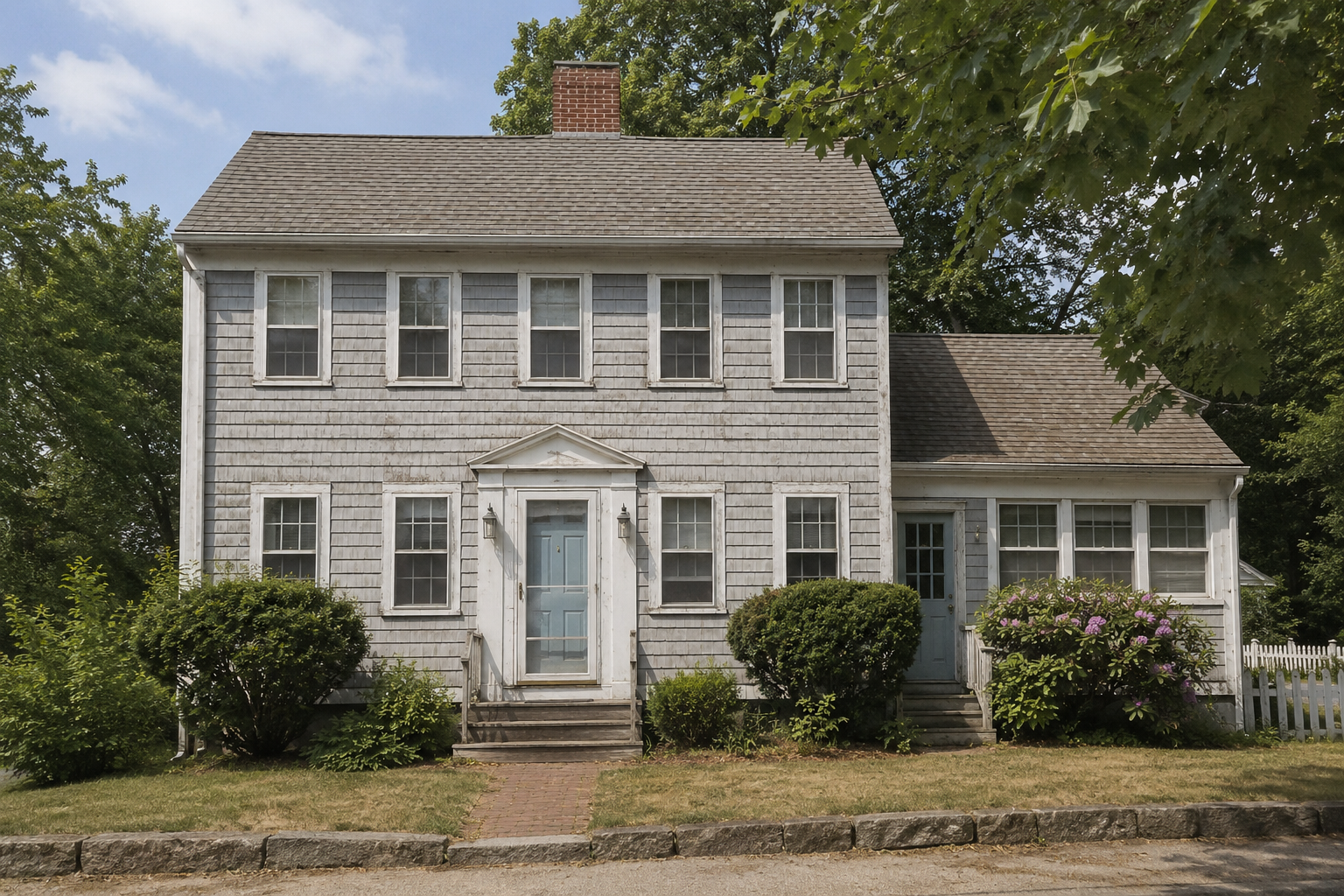
Comparing net proceeds, speed, and hassle — so you can choose with confidence.
| Quick Answer If your fixer-upper is cosmetically dated but structurally sound and sits in a healthy-demand town, listing on the open market usually nets the most money. If it needs major repairs, you’re on a tight timeline, or you want zero hassle, a cash sale to an investor often wins once you subtract commission, repairs, and carrying costs. The only way to know for sure is to compare net proceeds — not sale price — side by side. The VIP Group runs both numbers for you for free. |
The question every fixer-upper owner asks:
You own a home that needs work. Maybe you inherited it, maybe you’ve been a landlord for years, or maybe life changed and a full renovation just isn’t in the cards. Now you’re weighing two very different paths: take a direct cash offer from an investor and be done, or fix what you can, list it, and chase top dollar on the open market.
Both can be the right call. The mistake we see most often is choosing based on the sale price alone. A bigger number on the contract doesn’t always mean more money in your pocket. What matters is your net proceeds — what’s left after commissions, repairs, carrying costs, and the risk of a deal falling through.
Below, we break down the three things that actually decide this for most sellers: net proceeds, speed, and hassle.
First, the rule that changes everything: compare net, not gross
A retail sale almost always shows a higher headline price. But that number is reduced by agent commission (typically 5-6%), repairs and staging, carrying costs while the home sits. An as-is cash offer is lower on paper but comes with no commission, no repairs, no clean out and no months of holding costs. When you do the full math, the gap often narrows far more than sellers expect.
Option 1: Sell as-is to an investor
Net proceeds
You give up gross price, but you keep the commission, the repair budget, closing costs, and every month of carrying costs.
Speed
This is where investors win decisively. With no lender, appraisal, or financing contingency, most as-is sales close in 14–30 days and you usually pick the closing date. That’s ideal when you’re getting divorced, relocating, or resolving a tight financial deadline.
Hassle level
Lowest of the two. No staging, no repairs, no weekend showings, no buyer renegotiating after an inspection. Many investor sales let you leave unwanted items behind and move on your own schedule.
Investor sale fits best when…
|
Option 2: Sell on the open market
Net proceeds
Listing exposes your home to every buyer, including owner-occupants who pay emotionally, not by spreadsheet. On a sound, well-priced home in a competitive town, that often produces the highest net even after the costs of selling. Light, strategic prep (paint, cleaning, minor fixes) can return far more than it costs.
Speed
Slower and less certain. The Massachusetts median was about 27 days on market in May 2026, and then you add roughly 30–45 days to close a financed buyer. Financing or appraisal issues can extend or unravel a deal.
Hassle level
Higher. Expect pre-list prep, professional photos, showings, an inspection, and negotiation. A great agent absorbs most of the friction, but a listed sale is still a more involved process than handing over the keys.
Open-market sale fits best when…
|
Investor vs. open market: side-by-side
Here’s how the two options compare across the factors that decide it for most sellers:
| Factor |
Sell to an Investor (As-Is / Cash) |
Sell on the Open Market (Listed) |
| Net proceeds |
Below repaired retail value, depending on condition. No commission or repair spend, so the gap narrows. |
Highest gross price, but minus ~5-6% commission, repairs, staging, and carrying costs. Usually nets more on sound homes. |
| Speed to close |
Fast: 14–30 days. No appraisal or financing contingency. |
Moderate: ~27-day MA median time on market (May 2026) plus 30–45 days to close. |
| Hassle level |
Lowest: sell as-is, no repairs, no showings, no clean out flexible move-out. |
Higher: prep, photos, showings, inspections, and negotiation. |
| Certainty |
High: cash, no lender, low fall-through risk. |
Variable: financed buyers can fall through on appraisal or loan. |
| Best for |
Heavy-repair homes, inherited or distressed property, tight timelines, privacy. |
Cosmetically dated but sound homes in healthy demand pockets where buyers compete. |
The math, on a real-world example
Say you own a dated three-bed on the South Shore. An investor offers $340,000 as-is. Listed and lightly updated, it could sell for $425,000, an $85,000 gap on paper. Watch what happens when we net it out:
| Line item |
Investor / Cash |
Open Market |
| Sale price |
$340,000 |
$425,000 |
| Repairs / pre-list prep |
$0 |
–$25,000 |
| Agent commission (~5%) |
$0 |
–$21,250 |
| Carrying costs (3 mo.) |
$0 |
–$6,000 |
| Estimated net proceeds |
$340,000 |
$372,750 |
In this illustration the open market still nets about $32,750 more — but the $85,000 “gap” shrinks to roughly $33,000 once real costs are included, and the cash sale closes weeks sooner with zero work. Change the repair bill, the timeline, or the condition, and the answer can flip. That’s why we run your actual numbers before you decide.
Figures are illustrative only and vary by property, condition, and market conditions.
Why local market knowledge decides this
The right answer is hyper-local. A fixer-upper in Quincy or Braintree sits in a different demand pocket than one in Framingham, Maynard, or out across MetroWest. Investor activity, buyer competition, and renovation returns shift street by street across Greater Boston, the South Shore, and Middlesex, Norfolk, Plymouth, Suffolk, and Worcester counties.
That’s the edge The VIP Group brings, our team is in the market every week — touring homes, evaluating renovations, and tracking what sells. Because we work with both investors and traditional buyers, we can do something most agents can’t: tell you what a real investor would pay and what your home would net on the open market -from one trusted source, with no pressure.
Why sellers trust the VIP Group at Moor Realty Group
|
How to decide in four steps
- Get a realistic repaired value (ARV). Know what your home is worth fully fixed and sold retail.
- Get a real cash offer. See what an investor will actually pay as-is, today.
- Net both options out. Subtract commission, repairs, and carrying costs from the listing path; compare bottom lines.
- Weigh speed and hassle. Decide how much a faster, simpler, more certain close is worth to you.
|
Get your cash offer and your listing estimate — side by side, free |
Frequently asked questions
Do you lose money selling a fixer-upper to an investor?
Not always. You sell below repaired retail value (often 5–25%, based on condition), but you save the commission, repair budget, and months of carrying costs a listing requires. On a home that needs heavy work, the net difference is often smaller than the sticker gap suggests.
How fast can you sell a house to a cash investor in Massachusetts?
Most as-is cash sales close in 14–30 days because there is no financing contingency. A listed sale runs roughly 27 days on the market in Massachusetts (May 2026 median) plus another 30–45 days to close.
Is it better to sell as-is or fix up the house first?
If the home is cosmetically dated but structurally sound and sits in a healthy-demand town, fixing the basics and listing usually nets the most. If it needs major systems or structural work, selling as-is to an investor often wins on net proceeds once you subtract repair and holding costs.
What is the 70% rule investors use?
Many investors offer about 70% of a property's after-repair value (ARV) minus the cost of renovations. Knowing the realistic ARV is how you tell a fair cash offer from a lowball one — which is exactly the analysis we run before you decide.
Can The VIP Group at Moor Realty give me both a cash offer and a listing estimate?
Yes. We compare a vetted investor cash offer against a projected net from listing on the open market, side by side, so you can choose based on your real bottom line, timeline, and tolerance for hassle.
Serving Quincy, Braintree, the South Shore, Framingham, Maynard, Dedham, Holliston, MetroWest & Greater Boston.

Kerri Mulvey
Realtor® | Kerri Mulvey | Moor Realty Group
or another way