

Categories
Investor, Real Estate InvestingPublished August 10, 2026
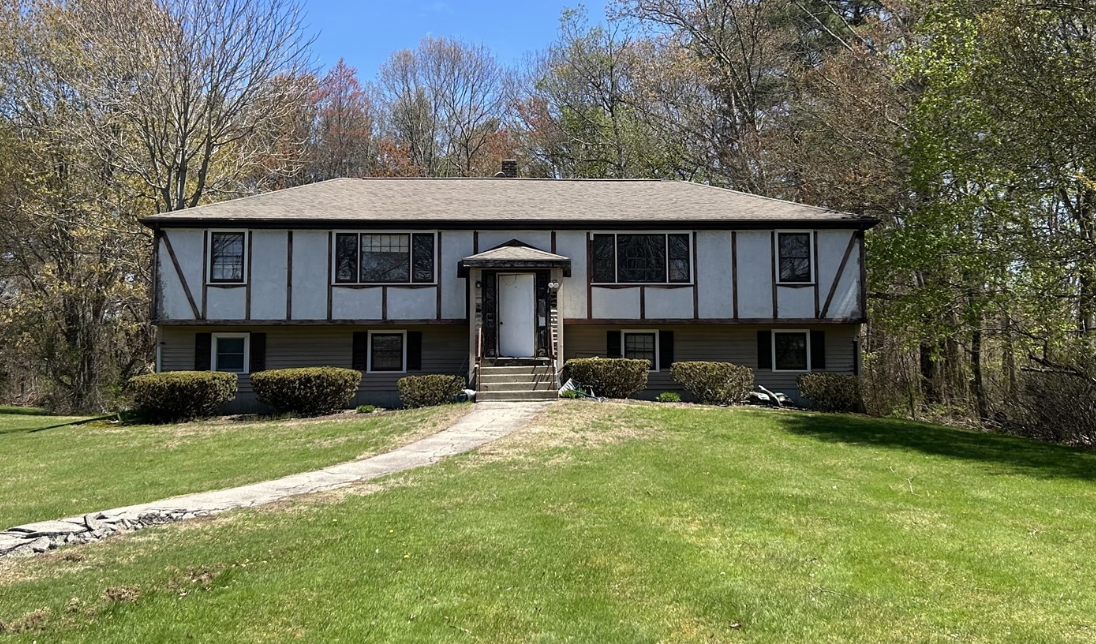
What to Do With a Tired Rental Property Near Boston

What to Do With a Tired Rental Property Near Boston
If you own a rental that has slowly worn down over the years, you are not alone, and you are not stuck. Tired rentals are one of the most common situations we see. Maybe the unit has cycled through a few tenants, the kitchen is dated, deferred maintenance has piled up, and the rent no longer matches the effort. The good news: you generally have three solid paths forward, and the right one depends on your numbers, your timeline, and how much energy you have left for the property.
Below, we walk through selling as-is, improving before you sell, and repositioning the property as a stronger rental, plus how each option tends to play out in markets like Framingham, Ashland, and Quincy.
First, Get Honest About the Property's Condition and Numbers
Before you choose a direction, take an unemotional inventory. A tired rental usually falls somewhere on a spectrum from cosmetically dated to genuinely worn out. Knowing where yours sits changes everything about which option makes financial sense.
Ask yourself a few grounding questions:
- What is the property realistically worth as-is today, and what would it be worth updated?
- What is your current rent versus market rent for a renovated unit nearby?
- How much deferred maintenance is hiding behind the walls: roof, heating, electrical, plumbing?
- How much longer do you actually want to be a landlord?
That last question matters more than most owners admit. A property can pencil out fine on a spreadsheet and still be the wrong fit if you are exhausted by it. VIP Group helps owners across Greater Boston put real numbers to each of these questions so the decision is based on facts, not fatigue.
Option 1: Sell As-Is
Selling as-is means listing the property in its current condition, without sinking money into repairs or updates. For a genuinely tired rental, this is often the least stressful path, and in many Greater Boston markets it can be surprisingly competitive.
There is strong, steady demand from investors and renovation-minded buyers in towns like Framingham and Ashland, where MetroWest access to the commuter rail and the Mass Pike keeps rental and flip activity healthy. In Quincy, proximity to the Red Line and Boston makes multifamily and dated single-family properties attractive to buyers who plan to update and hold.
As-is works well when:
- The repairs needed are significant enough that you would not fully recover the cost at sale.
- You want speed and certainty over squeezing out the last dollar.
- You would rather not manage contractors or coordinate work around a tenant.
The tradeoff is price. As-is buyers price in their own renovation costs and a margin, so you typically net less than a fully updated sale, but you also spend nothing and close faster. For many tired rentals, the net difference is smaller than owners expect once you subtract the true cost of repairs, holding time, and stress.
Option 2: Improve, Then Sell
The middle path is making targeted improvements to lift the sale price, then listing on the open market to owner occupant buyers who pay a premium for move in ready homes.
The key word is targeted. You are not renovating to your own taste; you are making the highest return, lowest risk updates that matter to buyers in your specific town. Reliable value-adders usually include fresh paint, updated light fixtures, refinished or new flooring, a cleaned-up kitchen and bath, and strong curb appeal. Big structural projects rarely return their cost right before a sale.
This route fits when the property is dated but fundamentally sound, and when your local buyer pool rewards updated finishes. In parts of Ashland and Framingham, well presented homes can draw competitive owner-occupant offers, which is exactly the audience that pays more than an investor would.
The risk is overspending or renovating the wrong things, so this is where an experienced local agent earns their keep. VIP Group helps owners scope updates that actually move the needle and avoid the money pit of over-improving for the neighborhood.
Option 3: Reposition It as a Stronger Rental
Sometimes the smartest move is not to sell at all, but to reset the property into a healthier long-term rental. Repositioning means updating strategically, resetting rents to market, and tightening how the property is managed so it works for you instead of against you.
This can make sense when the location is strong, the underlying numbers are good, and the fatigue is really about neglect and mismanagement rather than the asset itself. A modest renovation between tenants can justify a meaningful rent increase, improve the quality of applicants, and reduce turnover and repair calls going forward.
Steady rental demand around employment centers and transit in Quincy and along the MetroWest corridor through Framingham and Ashland supports this strategy, especially for owners who want to keep building equity and are open to lighter, smarter management rather than walking away.
How to Choose the Right Path
There is no universally correct answer, only the answer that fits your property and your life. As a simple framework:
- Choose as-is if repairs are heavy, your energy is low, and speed and certainty matter most.
- Choose improve and sell if the home is sound, dated, and sits in a market that rewards move-in-ready condition.
- Choose reposition if the location and numbers are strong and you are willing to reset and hold.
The best decision starts with accurate figures: as-is value, updated value, cost of work, market rent, and your holding costs. Once those are on the table, the right move usually becomes obvious.
Frequently Asked Questions
Is it better to sell a tired rental as-is or fix it up first near Boston?
It depends on the scope of repairs and your local buyer pool. If repairs are heavy or you value speed, as-is is often the better net outcome. If the home is structurally sound and sits in a market that rewards updated condition, targeted improvements can lift your sale price enough to justify the work. Running both scenarios side by side is the only reliable way to know.
Will I lose a lot of money selling a rental property as-is?
Not necessarily. As-is buyers do price in renovation costs, but once you subtract the true cost of repairs, contractor coordination, and extra months of holding the property, the net difference is frequently smaller than owners expect.
Can I sell a rental in Framingham or Quincy while a tenant is still living there?
Yes. You can sell a tenant occupied property in Massachusetts, though there are specific rules around notice, showings, and the tenant's lease that you will want to handle carefully. It is worth a dedicated conversation, and VIP Group can walk you through it.
Talk It Through With VIP Group at Moor Realty
Every property and every timeline is different. VIP Group helps owners across Framingham, Quincy, Dedham, Maynard, Ashland, and the wider Greater Boston area weigh their options with clear numbers and no pressure. Whether you want to sell as-is, make targeted improvements, or simply understand what your property is worth today, we will walk you through it step by step.

Kerri Mulvey
Realtor® | Kerri Mulvey | Moor Realty Group
or another way