

Categories
Housing Market TrendsPublished June 17, 2026
Why Grandparents Are Upsizing Again: The New Era of Multigenerational Homes

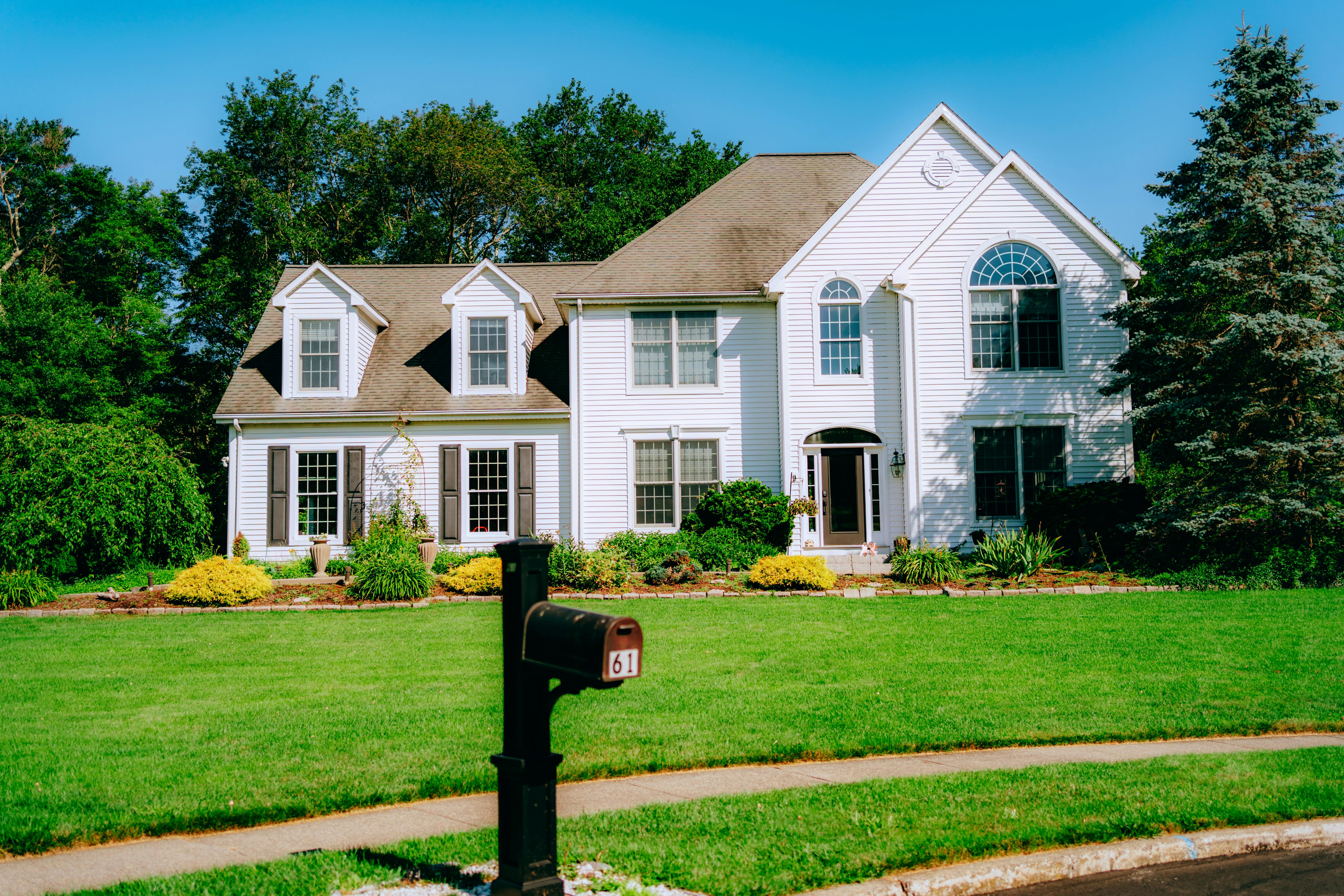
A decade ago, the plan was simple: wait for the kids to leave, sell the big house, and settle into something smaller and more manageable. For millions of baby boomers and older Gen Xers, downsizing was the logical next chapter. But today, a quiet reversal is underway — and it is reshaping the real estate market from Boston to MetroWest.
Former downsizers are upsizing. Not because the plan changed, but because the family did. Adult children are moving back. Grandchildren need bedrooms. And the economics of modern housing have made living together not just appealing, but necessary. This is the rise of the intentional multigenerational home and it is one of the most significant buyer trends real estate professionals are tracking right now.
The First-Time Buyer Is No Longer 29 and That Changes Everything
To understand why grandparents are upsizing, you first need to understand what is happening to their adult children's generation. According to the National Association of Realtors 2025 Profile of Home Buyers and Sellers, the median age of a first-time homebuyer has climbed to an all-time high of 40 years old up from 29 just a generation ago. The share of first-time buyers has simultaneously dropped to a historic low of just 21% of all purchases.
Even if you prefer the Mortgage Bankers Association's methodology — which draws from actual closed loans rather than mail surveys, the median age of first-time buyers still comes in at 32 to 33. Either way, the direction is unambiguous: homeownership is arriving later in life, and millions of younger adults are renting longer, living with family, or simply priced out.
By the numbers: The average U.S. homebuyer is now 59 years old, up from 39 just 15 years ago. (Fortune, 2025)
In high-cost markets like Greater Boston, South Shore, and the MetroWest corridor, the affordability gap is even more pronounced. Median home prices in these markets have outpaced wage growth for years, making it genuinely difficult for younger buyers to enter without significant assistance.
The Parent Factor: When Mom and Dad Become the Down Payment
With homeownership increasingly out of reach for younger generations, parents are stepping in at unprecedented rates. Nearly three-quarters (74%) of parents would consider or are planning on financially supporting their child's home purchase. Among those who plan to contribute, the most common gift range is $25,000 to $49,999, with 23% planning to give $50,000 to $99,999.
The generational shift in how homes are funded is striking with 78% of Gen Z homeowners and 56% of millennial homeowners received financial help with their down payment. In contrast, only 35% of Gen X buyers and 12% of baby boomers did the same. What was once an exception is rapidly becoming the norm.
And it is not always a cash gift from a distance. Increasingly, parents and grandparents are not just funding the purchase; they are part of the purchase. They are co-buying homes, adding in-law suites, or selecting properties large enough to house multiple generations under one roof.
Multigenerational Living Hits an All-Time High
The data on multigenerational home buying is hard to ignore. According to NAR's 2025 Generational Trends Report, 14% of all home purchases in 2025 were multigenerational; meaning the buyer intended for multiple adult generations to live in the home together. Among Gen X buyers (ages 45–59), that figure jumps to 21%. For younger boomers (ages 60–69), it is 15%.
The motivations are shifting, too. In 2025, 41% of multigenerational buyers cited caring for aging parents as the primary reason — the highest share since tracking began in 2015. But cost savings have become nearly as powerful a driver: 36% cited financial factors in 2024, up from just 15% in 2015. Childcare is another growing factor, with 6% specifically citing help with grandchildren as part of the decision.
Meanwhile, the number of households where adults live with their grandparents has been rising steadily since 2006, reaching 616,976 households in 2023 according to U.S. Census data. Among households with children under 18, nearly one in five (19%) includes grandchildren as part of the home. Older households are moving less and multigenerational living is rising, a trend with direct implications for housing inventory in Greater Boston and surrounding communities.
The Upsizing Paradox: From Empty Nest to Full House
For many grandparents, it starts with a simple wish: a bedroom for the grandkids. Not a pullout couch, not an air mattress in the living room but a real bedroom where grandchildren feel at home when they visit. That wish, multiplied across millions of households, is quietly reshaping what grandparents are looking for in their next home.
Here is the irony at the heart of today's market: the people most likely to own the large homes that families need are the empty nesters who already downsized or planned to. According to a 2026 Redfin analysis, empty nesters own 28% of the nation's large homes, while millennial families own only 16%, a significant housing mismatch that keeps inventory tight for younger buyers.
But a growing segment of those empty nesters are not downsizing at all. They are reversing course. Some are choosing larger homes specifically to accommodate adult children and grandchildren. Others are adding accessory dwelling units, finishing basements, or purchasing homes with separate in-law apartments. The goal: proximity without loss of privacy, and a practical solution to both childcare and housing cost challenges for the whole family.
For grandparents, the calculus is straightforward. Helping a child afford a home in today's market may mean gifting a down payment, co-signing, or co-buying. But buying or upgrading to a larger home that serves the whole family? That can be the most efficient financial move of all — especially for those with equity built over decades of homeownership.
Co-Buying and Multigenerational Living: A Practical Strategy, Not Just a Trend
For many families, the decision to buy together is not sentimental, it is strategic. Co-buying a home with an adult child allows both generations to combine income and assets, qualify for a larger mortgage, and split costs in a way that makes ownership possible where it otherwise would not be. With home prices across Greater Boston remaining elevated and interest rates still above pre-pandemic lows, pooling resources has become one of the most effective tools available to families trying to stay in the communities they love.
There are several ways this plays out in practice. In some cases, a parent or grandparent purchases the home outright and the adult child contributes to carrying costs: mortgage, taxes, and maintenance, in lieu of rent. In others, both parties are on the deed and the mortgage, sharing equity from day one. A third common model: the older generation buys and the younger generation occupies, with a formal co-ownership agreement in place that protects both sides.
What makes today different from previous generations is the scale. According to NAR, 14% of all homes purchased in 2025 were multigenerational and among Gen X buyers, that figure is 21%. These are not fringe arrangements. They are mainstream solutions to a mainstream problem.
The homes themselves are changing, too. Buyers in this category often prioritize properties with two primary suites, a finished walkout basement, a main floor primary, or a detached garage apartment. These features once considered luxury extras are now functional necessities for families who want to live together while maintaining independent daily rhythms.
What This Means in Our Markets: Boston, Dedham, South Shore & MetroWest
These national trends are playing out in real time across Greater Boston and surrounding communities. Each market has its own dynamics but the underlying driver is the same: families are restructuring around housing costs, and multigenerational solutions are front and center.
Boston
Boston's median home prices remain among the highest in the country, making entry-level homeownership especially difficult for younger buyers. Adult children who work in the city often cannot afford to buy close to their jobs which is prompting parents to co-purchase condos or townhomes in or near the city. Multigenerational arrangements here often look like a parent contributing to a purchase in a neighborhood they know well, while the younger generation handles day-to-day living.
Dedham
Dedham's proximity to Boston, combined with its more accessible price points, makes it a natural landing spot for multigenerational families. Colonial and cape-style homes with finished lower levels or detached garages are particularly attractive for buyers looking to create semi-independent living spaces without a complete renovation. Grandparents relocating from larger suburban homes often find Dedham strikes the right balance of space and convenience.
South Shore
The South Shore communities like Hingham, Scituate, Marshfield, and Duxbury is seeing a notable uptick in grandparents buying or upgrading specifically to have dedicated space for visiting grandchildren. A spare bedroom is no longer a nice-to-have; it has become a primary search criterion. Grandparents who once downsized to a two-bedroom condo are back in the market for three and four bedroom homes with enough room for the grandkids to stay the weekend, a school vacation week, or even longer. The South Shore's mix of established neighborhoods, good schools, and coastal appeal makes it especially attractive for multigenerational buyers planning ahead.
MetroWest
In the MetroWest corridor communities like Framingham, Natick, Acton, and Hopkinton have seen sustained demand from families looking for top schools, commuter rail access, and homes with room to grow. This is where many of the upsizing grandparent stories are happening in practice. A grandparent couple who downsized to a condo five years ago may now be looking at a four bedroom colonial that allows a daughter and two grandchildren to live with them, a decision driven equally by love and financial reality.
The Bottom Line: Bigger Is Back — For Good Reason
The downsizing trend is not over, but it is no longer the only story. For a growing number of families across Greater Boston and its surrounding communities, the smartest housing move is not smaller, it is intentionally larger, designed to bring family together and make homeownership work for everyone.
Whether you are a grandparent reconsidering your next chapter, a parent trying to help your adult child get into the market, or a buyer searching for a home that can grow with your family, these decisions deserve thoughtful, experienced guidance.

Kerri Mulvey
Realtor® | Kerri Mulvey | Moor Realty Group
or another way